
Orthopedic
What Is Orthopedics?
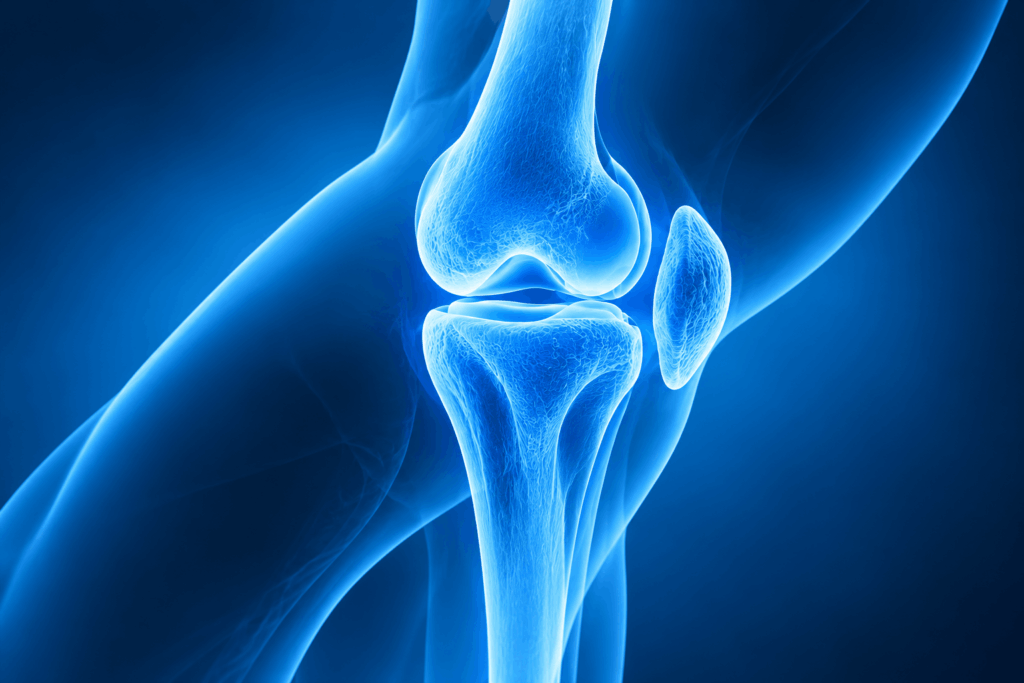
Orthopedics is the branch of medicine focused on the health and function of the musculoskeletal system. This system includes the bones, joints, muscles, tendons, ligaments, cartilage, and connective tissues that work together to support movement, stability, and physical function.
Orthopedic conditions can affect a person’s ability to move comfortably, perform daily activities, maintain strength, and remain physically active. Some conditions develop gradually as structural or degenerative changes occur, while others result from injuries, repetitive stress, inflammation, or other contributing factors.
Orthopedic research helps improve the understanding of these conditions by systematically evaluating clinical findings, patient outcomes, functional changes, and responses to different approaches under defined research protocols.
What Causes Orthopedic Conditions?
Orthopedic conditions can develop from a combination of biological, mechanical, traumatic, and lifestyle-related factors.
Age-related changes may affect cartilage, joints, bones, and connective tissues over time. Injuries resulting from sports, accidents, falls, or other physical activity can affect ligaments, tendons, muscles, cartilage, and other structures.
Repetitive movements and physical demands may also place continued stress on the musculoskeletal system. Other factors, including previous injuries, joint instability, inflammatory conditions, and individual differences in musculoskeletal structure, may contribute to the development or progression of orthopedic conditions.
Because orthopedic conditions can have multiple contributing factors, clinical research may consider patient characteristics, underlying conditions, functional status, and other relevant variables when evaluating clinical outcomes.
Common Orthopedic Conditions
Orthopedic research may involve a range of musculoskeletal conditions, depending on the specific research protocol and its approved eligibility criteria.
Areas of research interest may include:
- Osteoarthritis of the knee, hip, and shoulder
- Tendon-related conditions, including rotator cuff injuries
- Ligament injuries, including ACL and MCL injuries
- Meniscal injuries
- Foot and ankle conditions, including plantar fasciitis
- Spine-related conditions, including degenerative disc disease
- Epicondylitis, including tennis elbow and golfer’s elbow
- Other musculoskeletal conditions identified within approved research protocols
The inclusion of a condition as an area of research interest does not indicate that a particular intervention has been proven effective for that condition.
Common Symptoms
Symptoms of orthopedic conditions vary according to the affected structure, underlying cause, and severity of the condition.
Common symptoms may include:
- Joint or musculoskeletal pain
- Stiffness
- Swelling or tenderness
- Reduced range of motion
- Muscle weakness
- Joint instability
- Difficulty with movement or physical activity
- Reduced physical function
Clinical research may evaluate these symptoms together with functional assessments and patient-reported outcomes to better understand changes over time.
Why Is Orthopedic Research Important?
Orthopedic research contributes to a broader understanding of musculoskeletal conditions and the approaches used to evaluate and manage them.
Structured clinical research can help investigators examine:
- Changes in pain and symptoms
- Mobility and range of motion
- Physical and functional capacity
- Patient-reported outcomes
- Recovery patterns
- Treatment response
- Safety and tolerability
- Factors that may influence clinical outcomes
By collecting clinical information systematically, research can contribute to the development of evidence and help researchers, physicians, and other healthcare professionals better understand orthopedic conditions.
How Are Orthopedic Conditions Evaluated?
Evaluation of an orthopedic condition generally begins with a review of the patient’s medical history, symptoms, physical function, and relevant clinical factors.
Depending on the condition and research protocol, evaluation may include:
- Physical examination
- Range-of-motion assessment
- Functional evaluation
- Patient-reported outcome measures
- Medical imaging
- Physician-documented clinical observations
- Follow-up assessments
The specific assessments and outcome measures used in a CSR-supported study are determined by the applicable research protocol.
Areas of Orthopedic Research
CSR-supported research may examine different areas of orthopedic and musculoskeletal health depending on the objectives and design of each approved protocol.
Joint and Osteoarthritis Research
Research may examine clinical and functional outcomes associated with degenerative joint conditions affecting areas such as the knee, hip, and shoulder.
Tendon and Soft-Tissue Research
Research may evaluate conditions involving tendons and surrounding soft tissues, including rotator cuff-related and other tendon conditions.
Ligament and Meniscal Research
Research may examine clinical findings, functional outcomes, and recovery patterns associated with selected ligament and meniscal injuries.
Spine and Musculoskeletal Research
Research may include selected spine-related and degenerative musculoskeletal conditions within applicable research protocols.
Foot and Ankle Research
Research may evaluate selected conditions affecting the foot and ankle, including plantar fasciitis and other musculoskeletal presentations.
Research Objectives
CSR-supported orthopedic research may be designed to:
Evaluate Clinical Outcomes
Assess changes in symptoms, function, and other clinical outcomes defined by the research protocol.
Assess Functional Changes
Monitor measures such as mobility, range of motion, and physical function when specified by the study.
Evaluate Patient-Reported Outcomes
Document patient experiences and reported changes using appropriate measures defined by the protocol.
Examine Treatment Response
Evaluate clinical responses to the approach being investigated during the specified follow-up period.
Evaluate Safety
Document relevant safety information and adverse events according to the applicable research protocol.
Generate Clinical Evidence
Contribute structured, de-identified clinical data to support broader orthopedic research.
Safety and Research Oversight
Patient safety is an important component of responsible clinical research.
CSR-supported research is conducted through defined research protocols and participating physicians and clinics operating under applicable Institutional Review Board (IRB) oversight and informed consent requirements.
Patient eligibility, clinical assessment, and medical decision-making remain the responsibility of the participating healthcare provider in accordance with the applicable protocol and standards of care.
CSR does not provide individualized medical advice or guarantee a particular clinical outcome.